Broad-Leaf Plantain: A Medicinal Plant with Untapped Cosmetic Potential
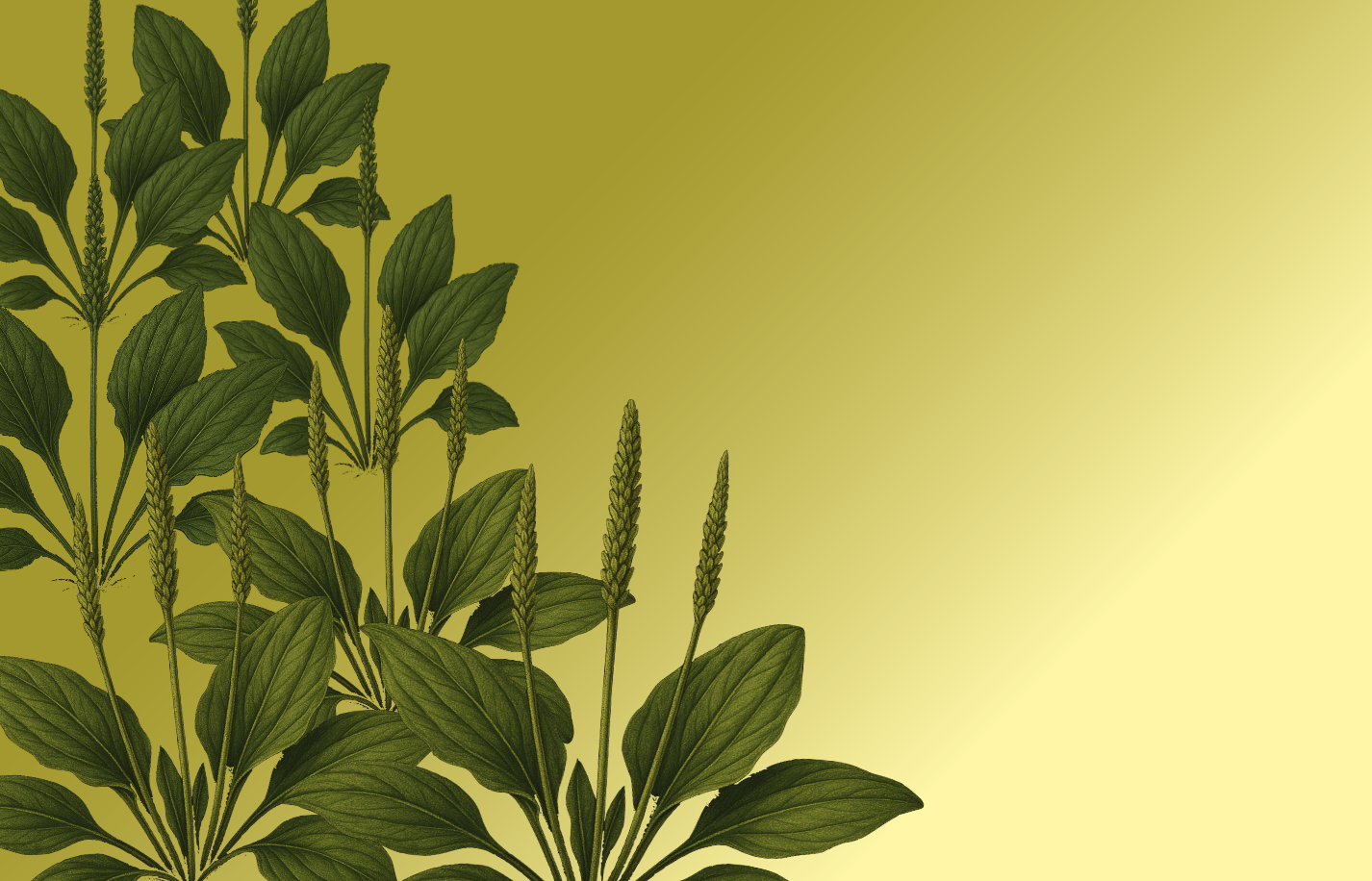
Broad-leaf plantain (Plantago major), a herbaceous plant common to Europe's temperate zones, has long been recognized in phytotherapy for its calming, healing and anti-inflammatory effects. Today, cosmetic research confirms that this often-overlooked plant possesses biochemical richness that makes it a full-fledged active ingredient in formulating dermatological or dermocosmetic treatments for sensitive, damaged, atopic or chronically inflamed skin.
Its phytochemical composition is particularly dense and well-balanced. Plantago major leaves contain polysaccharide mucilages that give the extract exceptional capacity to hydrate, soften and protect the skin barrier. These mucilages form a non-occlusive hydrating film, which significantly reduces transepidermal water loss while maintaining normal skin respiration.
Aucubin possesses demonstrated anti-inflammatory activity, notably through inhibition of pro-inflammatory cytokine production like TNF-α or IL-6. It also participates in reducing histamine release, thus reducing sensations of irritation, itching and redness.
Broad-leaf plantain also promotes cutaneous regeneration. It stimulates fibroblast activity and collagen synthesis, while accelerating keratinocyte migration, key elements in epidermal renewal. This makes it an ingredient of choice in healing treatments, post-dermatological intervention creams, or restorative care for irritated, chapped or skin subjected to heavy dermatological treatments.
Integrated into biomimetic and vectorized formulas such as those developed with Selkeys® SPCG® technology, broad-leaf plantain reveals its full potential. It then acts in synergy with gentle transepidermal permeability stimulation mechanisms, active catalysis and microbiome preservation.


